About Textile Dorniar Loom Cam
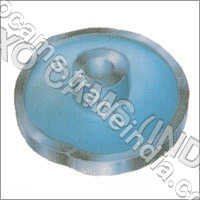
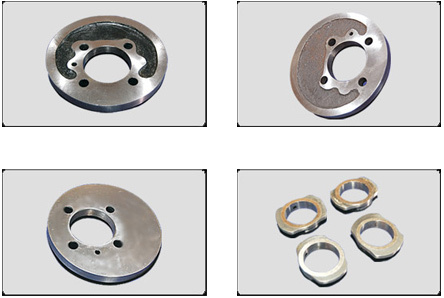
Cam For Dorniar Loom is a precisely designed transmission component which is designed to improve the work timing of mechanical system of textile loom which leads to high working efficiency and zero risk of material wastage. It is manufactured by using top-quality alloyed steel which imparts high strength to weight ratio and excellent rust resistance. The offered Cam For Dorniar Loom comes with a series of precision holes to rigidly install it using mechanical fasteners. Buy from us this compact and sturdy transmission component as per your requirements.
Exceptional Precision and DurabilityWith its finely tuned tolerance of 0.02 mm and robust alloy steel construction, this Dornier Loom Cam stands out for its technical precision and durability. Its polished, corrosion-resistant surface and hardness rating of 58-62 HRC make it suitable for demanding textile environments, ensuring sustained performance and limited maintenance.
Engineered for Textile Machinery ExcellenceDesigned specifically for Dornier loom applications, this cam seamlessly integrates with modern weaving mills. Its standard size and polished finishing allow for smooth operation, minimizing wear and tear within the machinery. CNC machining guarantees consistent quality across every unit produced, ensuring interchangeability and ease of installation.
FAQs of Textile Dorniar Loom Cam:
Q: How is the Textile Dornier Loom Cam manufactured for enhanced precision?
A: The cam is manufactured through CNC machining, ensuring high accuracy with a tight tolerance of 0.02 mm. This process allows for precise dimensions and a polished finish, crucial for mechanical compatibility and optimal performance in weaving machinery.
Q: What benefits does the corrosion-resistant and hardened surface provide?
A: The surface hardness of 58-62 HRC, combined with a corrosion-resistant finish, significantly increases the cams longevity. It withstands heavy operational cycles in textile mills while minimizing the risk of rust or surface wear, ensuring consistent performance over time.
Q: When should the cam be replaced in Dornier looms?
A: Replacement is recommended when performance issues such as irregular weaving, excessive noise, or visible signs of wear and tear occur. Regular maintenance checks help detect early signs of deterioration, ensuring uninterrupted loom operation.
Q: Where is the Textile Dornier Loom Cam primarily used?
A: This cam is predominantly utilized in textile weaving mills that operate Dornier looms. Its compatibility with standard textile machinery makes it a versatile component for industries focused on efficient fabric production.
Q: What is the typical process for installing this cam in a weaving mill?
A: Installation involves securing the cam into the designated slot of the Dornier loom. Due to its standard sizing and CNC precision, the cam fits effortlessly. Professional installers or machinery maintenance staff should handle the process to ensure proper alignment and functionality.
Q: How does using this specific cam benefit weaving mill operations?
A: The cam enhances loom efficiency through its precise geometry and durable construction. Mills benefit from reduced downtime, consistent weaving quality, and lower maintenance costs, resulting in higher productivity and cost-effective textile manufacturing.




 Send Inquiry

 Send Inquiry

 Send Inquiry
 Send SMS